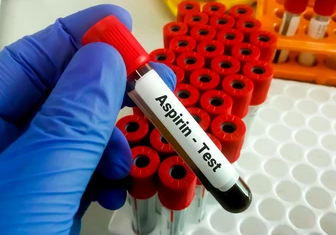
Clotting Time by Lee-White
Applies to: Heparin
Patient Care / Preparation
- Ensure a minimum of three hours without heparin therapy before collecting the sample.
- Avoid traumatic venipuncture as it can affect results.
Specimen
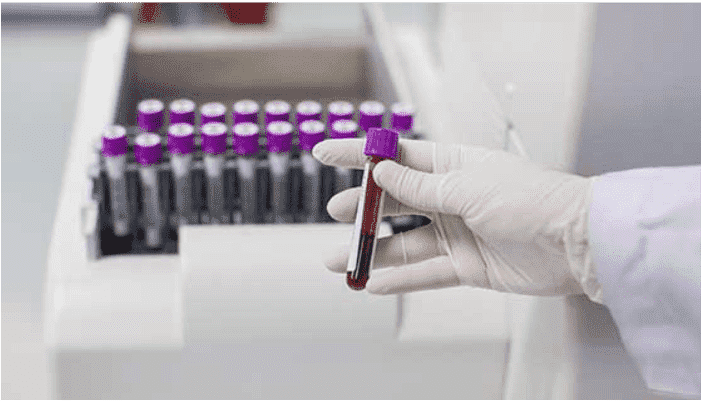
- Type: Whole Blood
- Container: Three 12 x 75 mm glass test tubes and a plastic syringe
Collection Procedure
- Use the two-syringe method for accurate blood sampling.
- Draw blood into a plastic syringe.
- Fill each of the three test tubes with 1 mL of blood.
- Maintain tubes at 37°C during the procedure.
- Start the stopwatch after the third tube is filled.
- Stop timing when the blood in the last tube clots.
Sample Rejection Criteria
- Sample drawn within 3 hours of heparin therapy
- Traumatic venipuncture
Reference Range
Normal Clotting Time: 8 to 15 minutes
Clinical Use
- Evaluate the overall coagulation system
- Monitor heparin therapy, especially where APTT may be unavailable
Limitations of the Test
- Significantly prolonged clotting time if drawn <3 hours after heparin
- Test lacks standardization across technologists/laboratories
- Reduced accuracy for longer clotting times
- Many labs no longer perform this test due to variability and better alternatives
Methodology
Time measurement begins after blood is freshly drawn and exposed to a standardized activation stimulus. The endpoint is the visual detection of clot formation.
Additional Information
- Effective for tracking heparin therapy, though less reliable as a standalone indicator
- Heparin’s anticoagulant activity is dependent on antithrombin III (AT III) activation
- In AT III deficiency, plasma infusion may be needed for heparin to work
- In DIC (Disseminated Intravascular Coagulation), results can be misleading
- In cases of severe lipemia, lipase may compete with heparin, affecting efficacy
- Test results may be influenced by reagent additives such as phospholipids or contact activators used in other tests like APTT
References
- Sirridge MS and Shannon R, Laboratory Evaluation of Hemostasis and Thrombosis, 3rd ed. Lea & Febiger, 1983: pp. 68, 112–115.
- Jacobs, Demott, Finley, Horvat, Kasten JR, Tilzer, Laboratory Test Handbook. Lexi-Comp Inc, 1994.