Factor II (Prothrombin)

What is Factor II (Prothrombin)?
Factor II, also known as Prothrombin, is a vitamin K–dependent coagulation protein produced by the liver. It plays a key role in blood clotting by being converted to thrombin in the coagulation cascade.
Specimen Requirements
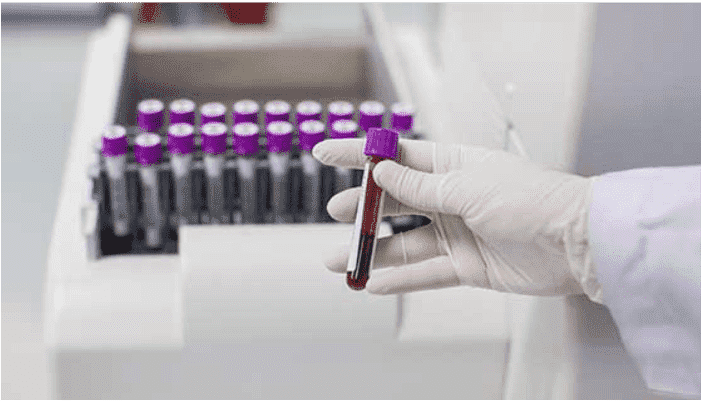
- Type: Plasma
- Container: Blue top (sodium citrate) tube
Patient Preparation Instructions
Patients should avoid taking Coumadin (warfarin) for two weeks and heparin for two days prior to the test.
Sample Collection Protocol
- Draw coagulation studies last when collecting multiple tests.
- If drawing only coagulation studies, perform a discard draw of 1–2 mL using a separate Vacutainer®, then collect the actual sample.
- This ensures tissue thromboplastins do not contaminate the specimen.
Sample Storage Instructions
Keep the sample refrigerated. Test should be run within two hours after collection.
Sample Rejection Criteria
- Specimen is hemolyzed or clotted
- Sample received more than 2 hours post-collection
- Tube not filled properly
Special Instructions
Functional prothrombin assays are not the same as prothrombin time (PT). Referral testing may be required as this assay is not commonly available in all labs.
Reference Range
83% to 117% of normal
Clinical Use of the Factor II Test
This test is used to document a specific factor deficiency. It helps differentiate qualitative from quantitative defects and detect autosomal recessive deficiencies that can lead to severe bleeding.
Limitations of the Test
- Results may be impacted if patient is on anticoagulants
- Delay in testing (over 2 hours post-collection) affects accuracy
Contraindications
This test should not be performed on patients who are currently receiving anticoagulant therapy.
Methodology of Factor II Testing
The test involves diluting patient plasma, mixing it with factor II–deficient plasma, and measuring clotting time. Comparison is made against normal dilution curves. A two-stage prothrombin assay may also be used in some labs.
Biochemical Insights into Prothrombin
Prothrombin has a molecular weight of ~70,000 and contains 581 amino acids arranged in three domains. It undergoes gamma-carboxylation of glutamic acid residues to bind phospholipid surfaces—a necessary step for its transformation into thrombin. This conversion is catalyzed by factor Xa and accelerated by factor V, calcium, and phospholipids.
Conclusion
Prothrombin (Factor II) testing plays a crucial role in diagnosing inherited and acquired bleeding disorders. Its specificity, however, requires careful sample collection, patient preparation, and proper timing to ensure accurate results.
References
- Bick RL, “Hereditary Coagulation Protein Defects,” ASCP Press, 1992.
- Mammen EF, “Prothrombin and Other Vitamin K Proteins,” CRC Press, 1986.
- Jacobs et al., “Laboratory Test Handbook,” Lexi-Comp Inc, 1994.