Cervical / Vaginal Cytology: Comprehensive Guide to Pap Smear and Hormonal Evaluation

Cervical / Vaginal Cytology
Synonyms: Cervical Smear, Pap Smear, Vaginal Cytology
Applies to: Herpes Smear, The Bethesda System, Vulvar Cytology
Test Commonly Includes: Fast smear, cervical scraping smear, vaginal pool smear, lateral vaginal wall smear, direct scraping smear
Patient Care & Preparation
- Refrain from using vaginal deodorants 48–72 hours before examination.
- Include patient age and date of last menstrual period (LMP).
Specimen
Primary sample types include endocervical and cervical scrapings or brushings. Vaginal pool samples are preferred for hormonal evaluation but do not replace cervical samples. Direct lesion scrapings are best for diagnosing vaginal or vulvar abnormalities.
Scrapings from the upper lateral vaginal wall may not reliably reflect hormonal status due to technique variability.
Container
- Use frosted-end glass slides and spray fixatives with 95% ethanol.
- Hair spray is unacceptable as a fixative.
- Smears may also be wet-fixed in 95% alcohol using a Coplin jar.
- Send slides in cardboard containers, labeled with patient name and sample site in pencil.
Collection Method
- Label slides properly before collection.
- Warm saline may help insert speculum in atrophic/stiff introitus.
Sampling Techniques
- Endocervical Scrape: Use spatula; rotate in os; spread & fix immediately.
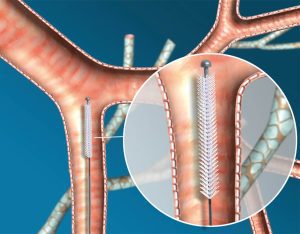
- Endocervical Brush: Gently roll brush on slide; do not scrub.
- Ectocervical Scrape: Scrape entire ectocervix, especially the squamocolumnar junction. Spread and fix immediately.
- Vaginal Pool Smear: Collect from posterior fornix. Apply liquid to slide and spread with gloved finger. Detects up to 90% of endometrial and cervical carcinomas. Used for cytohormonal and radiation effect analysis.
- Cervical Scraping Smear: Rotate spatula 360° in external os. Spread across slide and fix. Detects 97% of early cervical lesions and 25% of endometrial lesions.
- Fast Smear: Combines vaginal pool and cervical scraping on one slide. Most effective for cancer detection (97% cervical, 90% endometrial).
- Lateral Vaginal Wall Smear: From upper lateral third mucosa; for cytohormonal evaluation.
- Direct Scraping Smear: From visible lesion; fix as above.
Causes for Rejection
- Improper fixation
- Missing patient identification
Special Instructions
Include relevant history: age, LMP, parity, menopause, hormone therapy, surgeries, previous Pap results, abnormal bleeding, and cancer history.
Possible Panic Range
Smears with malignant cells should be verbally communicated to the clinician in addition to the report.
Uses
- Detect neoplasms (primary/metastatic)
- Diagnose cervical dysplasia (CIN)
- Detect infections: Herpes, Candida, Trichomonas, CMV, Actinomyces
- Support diagnosis of vaginal adenosis, cervicovaginal endometriosis, condylomas
Limitations
- Inadequate cell population can yield inconclusive results.
- Avoid lubricants during speculum insertion; they compromise cytologic quality.
- Inflammation can mask hormone status and obscure pathology.
- Sampling errors may miss lesions entirely.
- Chlamydia must be confirmed via culture or molecular test.
Follow-Up Guidelines
- No atypia: Annual smear
- Inflammation: Repeat yearly
- Inflammation with dysplasia suspicion: Treat inflammation, repeat smear
- LSIL (CIN I): Repeat in 3–6 months; colposcopy if persists
- HSIL (CIN II–III): Immediate colposcopy and biopsy
- Atypia in atrophic smear: Use estrogen cream and repeat
- 3 consecutive normal smears: Switch to biennial screening
- Oral contraceptive users: Smear every 6 months
- Negative colposcopic biopsy despite positive smear: Consider cone biopsy
- Repeat smears too early (<6 weeks) may understate lesion severity
HPV Testing
HPV DNA testing (e.g., ViraPap® or in situ hybridization) is helpful for high-risk patient identification but remains controversial. HPV is highly linked to dysplasia and carcinoma.
Quality Assurance
Smears should be reviewed by certified pathologists and licensed cytotechnologists. Patients should not compromise accuracy for cost savings.
References
- Broaddus C et al. Ann Intern Med, 1991
- Chandler FW & Watts JC. Springer-Verlag, 1988
- Chandra P. et al. Acta Cytol, 1988
- Chaudhuri B. et al. Acta Cytol, 1980
- Corwin RW & Irwin RS. Am Rev Respir Dis, 1985
- Marchevsky A et al. Hum Pathol, 1985
- Riazmontazer N & Bedayat G. Acta Cytol, 1989
- Strigle SM & Gal AA. Diagn Cytopathol, 1989
- Wheeler TM et al. Acta Cytol, 1988
- Jacobs et al. Laboratory Test Handbook, Lexi-Comp Inc, 1994