Ivy Bleeding Time Test : Procedure, Uses, Contraindications & Interpretation

What is the Ivy Bleeding Time Test?
The Ivy Bleeding Time Test is a classical in vivo test that assesses platelet function and capillary integrity. It evaluates the time it takes for bleeding to stop following a controlled skin puncture, reflecting the platelets’ ability to adhere, activate, and aggregate to form a hemostatic plug.
Specimen and Collection
- Specimen: Blood (performed directly on the patient)
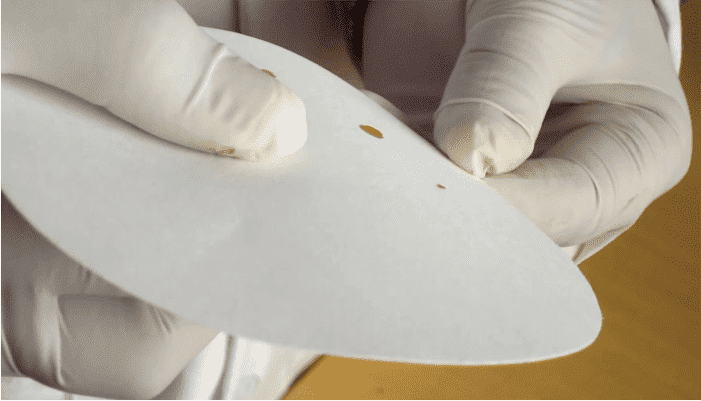
- Container: Filter paper used to collect blood drops
- Collection: Performed bedside by a trained medical technologist
Patient Preparation
The skin on the volar surface of the forearm is cleansed with alcohol and allowed to dry completely.
Test Procedure (Methodology)
- Apply a blood pressure cuff on the upper arm and inflate to 40 mm Hg
- Make two superficial skin incisions (~3 mm deep) on the cleaned volar forearm
- Start stopwatch immediately after incision
- Blot the bleeding site with filter paper every 30 seconds without touching the wound
- Stop the timer when bleeding ceases completely
The test is typically done in duplicate. The average time is recorded as the result.
Interpretive Reference Range
- Normal: 2–7 minutes
- Prolonged (Panic Value): >12–15 minutes
- Shorter in men and individuals over 50 years of age
Clinical Uses
This is a screening test used to assess:
- Platelet number and function
- Capillary wall integrity
- Causes of spontaneous bleeding, ecchymosis, or bleeding tendencies
Prolonged bleeding time may indicate:
- Qualitative platelet disorders (e.g., von Willebrand’s disease, Glanzmann’s thrombasthenia, Bernard-Soulier syndrome)
- Use of aspirin or NSAIDs
- Fibrinogen disorders
- Uremia or renal failure
- Vascular abnormalities
- Myeloproliferative diseases
- Macroglobulinemia
Contraindications
- Platelet count <50,000/mm³
- Use of aspirin or acetyl-containing medications within the last 7 days
- Severe bleeding diathesis
- Infectious skin diseases at test site
- Senile skin changes or known keloid history
Sample Rejection Criteria
- Patient requires restraint
- Arms are swollen, infected, or casted
- History of keloid formation
- Refusal to sign informed consent, if required
Aftercare
If prolonged or rapid bleeding occurs, apply a pressure bandage. Monitor for signs of hematoma or delayed bleeding.
Limitations
- Poor reproducibility between operators
- Variability based on puncture depth and technique
- Not predictive of surgical bleeding in most patients
- Skin scarring is possible
Additional Clinical Information
- Delay testing for at least one week after aspirin intake
- Bleeding time may be prolonged in uremia but reduced by 1-deamino-8-D-arginine vasopressin (DDAVP)
- In patients with renal failure, conjugated estrogens may improve bleeding times
- Gray Platelet Syndrome: Characterized by alpha granule deficiency; presents with large pale platelets and prolonged bleeding
Turnaround Time
Same day — typically within minutes to hours.
References
- Burns ER, Lawrence C. “Bleeding Time: A Guide to Its Diagnostic and Clinical Utility,” Arch Pathol Lab Med, 1989.
- Davis JM, Schwartz KA. “Bleeding Time,” Lab Med, 1989.
- Lind SE. “The Bleeding Time Does Not Predict Surgical Bleeding,” Blood, 1991.
- Sirridge MS, Shannon R. *Laboratory Evaluation of Hemostasis and Thrombosis*, 3rd ed, 1983.
- Jacobs et al. “Laboratory Test Handbook,” Lexi-Comp Inc, 1994.