D-Dimer Test: Purpose, Methodology, Clinical Use & Interpretation
What is the D-Dimer Test?
The D-Dimer test is used to detect the presence of fibrin degradation products, which occur when blood clots dissolve in the body. D-Dimer is unique to fibrin because it reflects cross-linking between fibrin monomers, making it a specific marker for clot formation and breakdown.
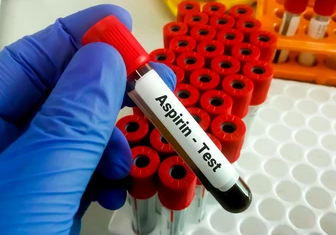
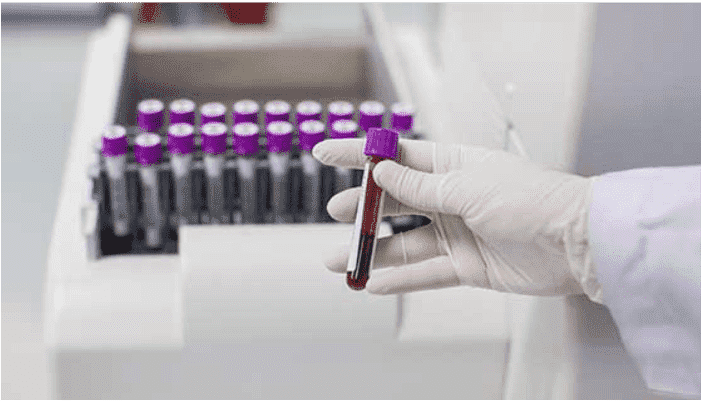
Specimen Requirements
- Type: Plasma
- Container: Plastic tube containing 0.11 mol/L sodium citrate and aprotinin
Sample Storage Instructions
Plasma samples for D-Dimer testing can be stored at -80°C. However, due to the clinical urgency, testing is typically performed immediately after collection.
Turnaround Time
- Latex particle immunoassay: ~30 minutes
- Enzyme immunoassay (ELISA): ~4–5 hours
Clinical Applications of the D-Dimer Test
- Screening for deep vein thrombosis (DVT)
- Diagnosis of acute pulmonary embolism (PE)
- Assessment of disseminated intravascular coagulation (DIC)
- Supportive test in acute myocardial infarction and unstable angina
Limitations of the D-Dimer Test
- D-Dimer levels may be elevated in conditions other than thrombosis
- False positives can occur in pregnancy, surgery, inflammation, cancer
- Not all DVT or PE patients have elevated D-Dimer
Testing Methodology
- Enzyme-linked immunosorbent assay (ELISA)
- Latex particle assay
- Immunoblotting
Understanding D-Dimer Levels
A D-Dimer level of <500 μg/L can help rule out acute pulmonary embolism. A value >0.5 mg/L is significant in confirming the presence of fibrin degradation and thrombin activity.
D-Dimer in Clinical Interpretation
Elevated D-Dimer levels are found in patients with thrombosis-related conditions. It is also a prognostic indicator in DIC when used alongside FDP (fibrin degradation products) testing. The dual assessment increases sensitivity and specificity for diagnosing coagulopathies.
D-Dimer Monitoring in Thrombolytic Therapy
Monitoring plasma D-Dimer during thrombolytic therapy helps track clot dissolution. This biomarker serves as a surrogate for solid-phase fibrin breakdown and helps clinicians assess treatment effectiveness.
D-Dimer in Neurology: CSF Analysis
In cerebrospinal fluid (CSF), D-Dimer testing helps differentiate between traumatic lumbar puncture and subarachnoid hemorrhage. It is more reliable than xanthochromia or declining RBC count.
Conclusion
The D-Dimer test is a highly valuable diagnostic tool in emergency and routine clinical practice. While not definitive alone, when interpreted with other results and clinical signs, it significantly aids in identifying thrombosis, embolism, and coagulation disorders.
References
- Jacobs, Demott, Finley, Horvat, Kasten.JR, & Tilzer. “Laboratory Test Handbook.” Lexi-Comp Inc, 1994.