ESR (Erythrocyte Sedimentation Rate): Inflammation & Rheumatology Monitoring

Synonyms
Sedimentation Rate, Westergren Sed Rate, ESR
Abstract
This test is a nonspecific marker of inflammation. While not highly accurate for diagnosing infections, it is widely used to monitor disease activity and treatment response in rheumatology patients.
Specimen
Whole blood
Container
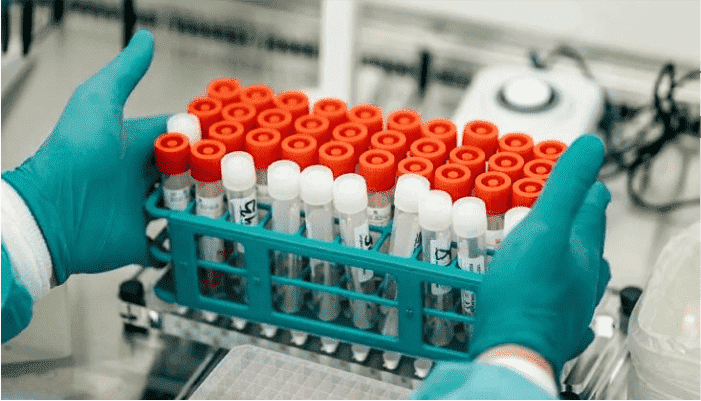
Lavender top (EDTA) tube or citrated plasma in a 4:1 dilution.
Collection
Sample must be received within 12 hours of collection to ensure accurate results.
Reason to Reject Sample
Clotted, hemolyzed, or insufficient-volume specimens are unacceptable.
Reference Range
-
- Male < 50 years: 0–15 mm/hr
- Male ≥ 50 years: 0–20 mm/hr
- Female < 50 years: 0–25 mm/hr
- Female ≥ 50 years: 0–30 mm/hr
Use
ESR is used to evaluate nonspecific inflammation and to monitor inflammatory diseases, autoimmune disorders (e.g., lupus, rheumatoid arthritis), plasma cell disorders, and some infections.
Limitations
Anemia and paraproteinemia can interfere with ESR accuracy. Also, manual procedures may expose laboratory staff to fresh blood, posing biohazard risks.
Methodology
The Westergren method measures the rate at which red cells settle in a vertical column over one hour, expressed in mm/hour. Validation methods exist for internal reference materials in quality control programs.
Additional Information
Inflammatory proteins such as fibrinogen, alpha and beta globulins, and immunoglobulins increase ESR by accelerating the settling of red blood cells. ESR is critical for diagnosing and monitoring **temporal arteritis** and other vasculitides.
In distinguishing **anemia of chronic disease** from **iron deficiency anemia**, ESR in conjunction with ZSR and/or CRP levels can offer diagnostic value.
References
- Gambino R, DiRe JJ, Monteleone M, et al. “The Westergren Sedimentation Rate, Using K3 EDTA.” Am J Clin Pathol. 1965;43:173–80.
- Henry JB et al. *Clinical Diagnosis and Management by Laboratory Methods*. 18th ed. WB Saunders, 1991:599–601.
- Singer JI, Buchino JJ. “Selected Laboratory in Pediatric Emergency Care.” Emerg Med Clin North Am. 1986;4:377–96.
- Stuart J, Nash GB. “Technological Advances in Blood Rheology.” Crit Rev Clin Lab Sci. 1990;28(1):61–93.
- Jacobs et al. *Laboratory Test Handbook*. Lexi-Comp Inc., 1994.