Factor XIII (Fibrin Stabilizing Factor) Test: Uses, Methods, Deficiency & Results

What is Factor XIII (Fibrin Stabilizing Factor)?
Factor XIII, also called Fibrin Stabilizing Factor, Laki-Lorand Factor, or Fibrinoligase, is the final enzyme in the coagulation cascade. It stabilizes fibrin clots by cross-linking fibrin molecules, enhancing tensile strength and resistance to fibrinolysis.
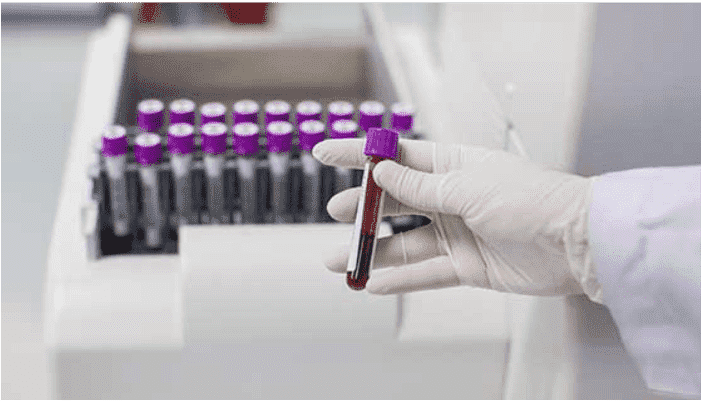
Specimen and Collection
- Specimen: Plasma
- Container: Blue top tube (sodium citrate)
- Collection: Routine venipuncture
Storage Instructions
- Keep the specimen refrigerated
- Transport to the lab within 2 hours of collection
Reasons to Reject the Sample
- Underfilled tube
- Clotted blood
- Hemolyzed sample
- Sample not chilled
- Received after 2 hours post-collection
Reference Range
- Clot should remain stable in 5M urea for at least 24 hours
- If Factor XIII deficiency is present, the clot dissolves in 1–2 hours
Use of the Test
This test is used to evaluate unexplained bleeding disorders, particularly those caused by homozygous Factor XIII deficiency.
Methodology
- Screening test: Citrated plasma is clotted at 37°C and then incubated in 5M urea
- Clot dissolution within 1–2 hours indicates deficiency
- Quantitative assay: Measures incorporation of monodansylcadaverine into casein (transaminase activity)
Clinical Information
Factor XIII functions by forming covalent cross-links between fibrin molecules during clot formation, transforming the fibrin mesh into a stable clot. Thrombin activates it in the presence of calcium.
Deficiency Patterns
- No mild or moderate forms exist — clinical symptoms appear only with <1–2% activity
- Heterozygotes: Asymptomatic
- Homozygotes: Prone to delayed bleeding, hematomas, poor wound healing, intracranial hemorrhage, and hemorrhagic cysts
Persistent umbilical stump bleeding is often an early diagnostic clue.
Acquired or Secondary Deficiencies
Mild decreases in Factor XIII levels may occur in:
- Liver disease
- Pregnancy
- Sickle cell disease
- Henoch-Schönlein purpura
- Crohn’s disease with hemorrhagic diarrhea
Clinical Correlations
- Increased levels of activated Factor XIII seen in acute myocardial infarction
- 45 clinically significant inhibitors of Factor XIII have been documented
- Prophylactic Factor XIII concentrate therapy is recommended in infants with severe deficiency after intracranial hemorrhage
References
- Duckert F et al., “Congenital Hemorrhagic Diathesis Due to Fibrin Stabilizing Factor Deficiency,” Thromb Diath Hemorrh, 1960
- Laki L, Lorand MS, “Human Factor XIII,” Prog Hemost Thromb, 1980
- Jacobs et al., “Laboratory Test Handbook,” Lexi-Comp Inc, 1994