Fibrinogen Test (Factor I)

Synonyms
Factor I, Fibrinogen Level, Quantitative Fibrinogen
Applies to
Acute Phase Reactants, Sedimentation Rate
What is Fibrinogen?
Fibrinogen is a major component of the fibrin meshwork and serves as a precursor to fibrin. As a central figure in the coagulation cascade, it is considered an acute phase reactant. Measurement of fibrinogen can be clinically difficult, especially in complex conditions like disseminated intravascular coagulation (DIC), where it may be dangerously consumed.
Specimen Requirements
- Type: Plasma
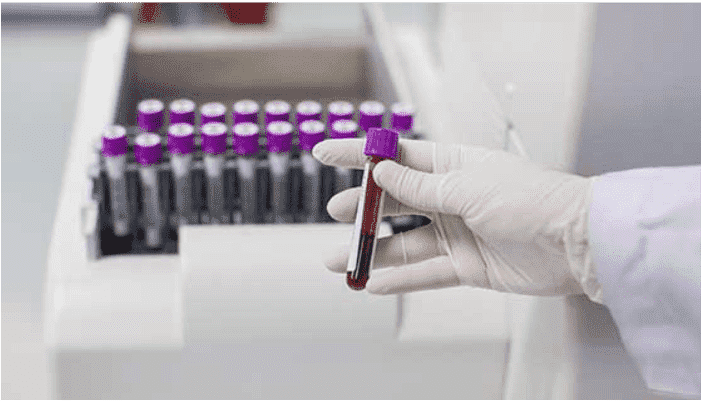
- Container: Blue-top (sodium citrate) tube
Sample Collection Guidelines
- Draw coagulation studies last if multiple tests are being conducted.
- For small volume collections, use the two-syringe technique to discard initial blood and avoid contamination by tissue thromboplastin.
- Storage: Immediately separate and freeze plasma if testing is not immediate.
Reasons for Sample Rejection
- Hemolyzed sample
- Improper labeling
- Sample older than 1 hour without freezing
- Underfilled tube
Reference Range
Quantitative: 200–400 mg/dL
Panic Value: <100 mg/dL
Clinical Uses of the Fibrinogen Test
- Identify fibrinolytic activity
- Diagnose congenital afibrinogenemia
- Assess disseminated intravascular coagulation (DIC)
Limitations of the Test
- Inaccurate in patients taking oral contraceptives or undergoing anticoagulant therapy
- Variable accuracy in dysfibrinogenemia depending on test methodology
- Interpretation may differ significantly between testing techniques
Contraindications
Do not collect the sample if the patient has received heparin within the last hour.
Methodology
The Fibrinogen test is conducted using the Clauss assay, which is a modified thrombin time method. This test measures the conversion of fibrinogen to fibrin after the addition of excess thrombin.
Additional Clinical Insights
- Fibrinogen is a complex polypeptide dimer formed by three pairs of chains linked by disulfide bonds.
- Converted to fibrin by thrombin or substances like Reptilase®.
- Levels decrease in DIC, liver disease, and afibrinogenemia; increase during inflammation, pregnancy, or oral contraceptive use.
- High levels of heparin or fibrin degradation products may interfere with test accuracy.
- Important in erythrocyte sedimentation rate (ESR/ZSR) variations.
- Fish oil intake may reduce fibrinogen levels.
Clinical Note
While it is not routinely used as a marker for acute phase response, fibrinogen remains essential in the evaluation of hemorrhagic symptoms, cardiovascular risk, and complex coagulation disorders. Interpretation can be challenging in patients with simultaneous DIC and hemorrhage.
References
- Jacobs et al., “Laboratory Test Handbook”, Lexi-Comp Inc., 1994
- Andrew M et al., “Maturation of the Hemostatic System”, Blood, 1992
- Bovill EG et al., “Performance Characteristics of Fibrinogen Assays”, Arch Pathol Lab Med, 1993
- Galanakis DK, “Dysfibrinogenemia: A Current Perspective”, Clin Lab Med, 1984
- Hermans J and McDonagh J, “Fibrin: Structure and Interactions”, Semin Thromb Hemost, 1982
- Hollensead SC and Triplett DA, “Fibrinogen Methods”, ASCP Check Sample®, 1988
- Palareti G et al., “Fibrinogen Assays: A Collaborative Study”, Clin Chem, 1991