Platelet Adhesion Test
Synonyms
Glass Bead Platelet Retention Test, Platelet Adhesiveness, Platelet Retention, Salzman Column Test
Patient Care/Preparation
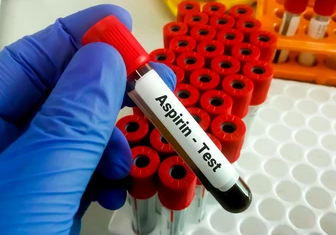
Avoid use of aspirin, phenylbutazone, antihistamines, and phenothiazines for 10 days prior to testing.
Specimen
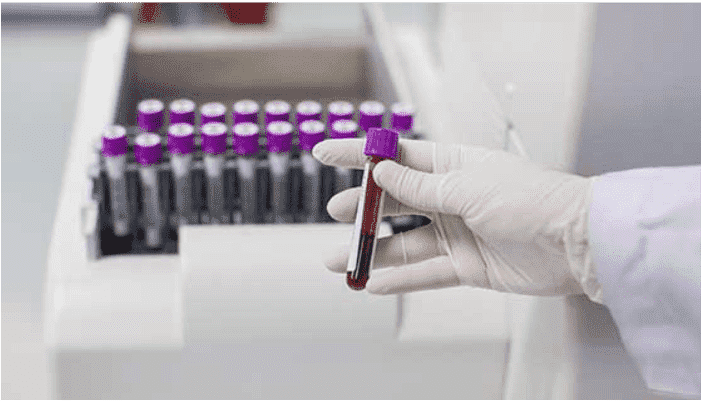
Whole blood
Collection
Usually obtained by a hematology technologist.
Reason to Reject Sample
- Clotted specimen
Special Instructions
Schedule an appointment in advance with the laboratory.
Reference Range
Normal platelet retention by glass bead column: at least 75%
Typical range: 90–95%
Borderline: 35–75%
Use
Evaluate platelet function and assist in diagnosing:
- Bernard-Soulier syndrome
- Storage pool disease
- von Willebrand disease (vWD)
- Thrombasthenia (Glanzmann’s disease)
Limitations
The test is rarely available due to:
- Difficulty sourcing standardized glass beads
- Technical inconsistency due to bead settling
Although Zacharski and McIntyre proposed a reliable low-cost method using vibrating devices to mix beads, a recent reference deems in vitro platelet adhesion testing as “unreliable” and lacking clinical relevance.
Contraindications
Ongoing use of medications listed under “Patient Preparation” or presence of thrombocytopenia.
Methodology
Glass Bead Column: Platelet adhesiveness is determined by comparing platelet counts before and after passage through a glass bead column.
Additional Information
Useful in evaluating thrombopathies. Diseases with adhesion defects include:
- von Willebrand disease (vWD)
- Thrombasthenia
- Storage pool disease
- Bernard-Soulier syndrome
Bernard-Soulier syndrome is characterized by large platelets and absence of glycoprotein Ib, impairing von Willebrand factor binding.
Glass bead retention is low in vWD but improves when columns are pretreated with normal plasma.
Platelet adhesion is impaired in afibrinogenemia.
Studies show variability in results due to column differences and bead settling issues.
Vitamin E (alpha-tocopherol) supplementation reduces adhesion:
- 200 IU/day: ~75% reduction
- 400 IU/day: ~82% reduction
Scanning EM shows reduced pseudopodia in enriched platelets.
The McPherson and Zucker two-stage assay identifies some mild vWD-type bleeding disorders, with platelet-platelet interaction defects appearing in stage 2.
Desmopressin (d-DAVP) corrects these retention defects, helping identify candidates for treatment.
References
- de Groot PG & Sixma JJ, “Platelet Adhesion,” Br J Haematol, 1990, 75(3):308–12
- Packham MA & Mustard JF, “Platelet Adhesion,” Prog Hemost Thromb, 1984, 7:211–88
- Zacharski LR & McIntyre OR, “A Standardized Test of Platelet Adhesiveness,” Am J Clin Pathol, 1972, 58:422–7
- Jacobs, Demott, Finley, Horvat, Kasten.JR & Tilzer, “Laboratory Test Handbook,” Lexi-Comp Inc, 1994