Antistreptolysin O Titer (ASO Test): Uses, Reference Range, and Limitations
Test Commonly Includes
Detection of antibody to streptolysin O produced by Group A streptococci.
Abstract
The Antistreptolysin O (ASO) titer test helps in identifying patients with acute rheumatic fever or other sequelae following a streptococcal infection. Elevated ASO levels indicate recent exposure to Streptococcus bacteria, particularly Streptococcus pyogenes (Group A Streptococcus).
Specimen
Type: Serum
Container: Red top tube
Reason to Reject Sample
Excessive hemolysis can lead to inaccurate results and may be rejected by the laboratory.
Reference Range
0.0 – 200.0 IU/mL
Use
The ASO titer test is primarily used to confirm recent or past streptococcal infection. A rising or persistently high ASO titer is strongly indicative of a recent infection and may support diagnoses like acute glomerulonephritis or acute rheumatic fever. Studies show:
- 90% of patients with acute glomerulonephritis have elevated ASO titers.
- 80–85% of patients with acute rheumatic fever show increased ASO levels.
Limitations
- False positives may occur due to contamination with Pseudomonas or Bacillus cereus.
- Elevated beta-lipoproteins (e.g., in liver disease) can interfere with accuracy.
- Not useful for diagnosing sequelae from streptococcal pyoderma.
- Oxidation of reagents may cause technical errors in results.
Methodology
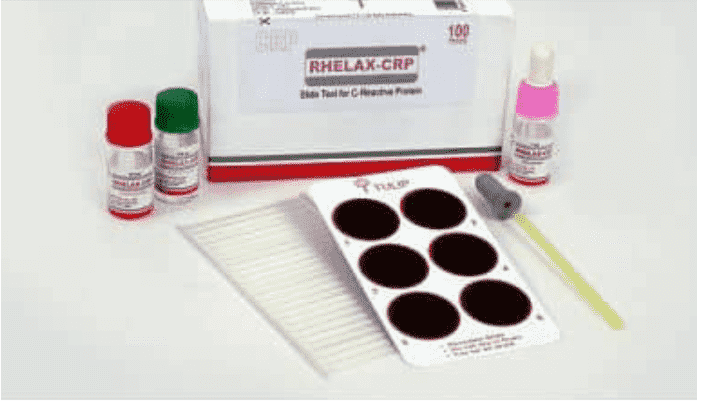
The ASO titer is commonly measured using:
- Hemolysis inhibition assay
- Latex agglutination (LA)
Additional Information
Streptolysin O is an oxygen-labile hemolysin secreted by Group A Streptococcus. It acts as a protein antigen, triggering an immune response. ASO levels begin to rise one week post-infection, peaking at 2–4 weeks, and typically normalize within 6–12 months in the absence of reinfection. Accurate diagnosis requires correlation with clinical findings and other laboratory results.
References
- Escobar MR, “Hemolytic Assays: Complement Fixation and Antistreptolysin O,” Manual of Clinical Microbiology, 5th ed., 1991: 73–8.
- Keren DF and Warren JS, Diagnostic Immunology, Williams & Wilkins, 1992: 168–70.
- Jacobs et al., Laboratory Test Handbook, Lexi-Comp Inc., 1994.