Bacterial Serology Test: Antibody Detection for Bacterial Infections

Bacterial Serology Test
Applies To
Bordetella pertussis Titer, Diphtheria Neutralizing Antibody, Leptospira Agglutination, Leptospirosis Antibody Titers, Pertussis Titers, Rickettsial Antibody Titer, Whooping Cough Titers, Yersinia pestis Antibody Titer.
Test Commonly Includes
Detection of specific antibody titers in the patient’s serum or cerebrospinal fluid (CSF) to identify immune response to bacterial infections.
Specimen
Type: Serum or CSF
Container: Red top tube (serum) or sterile CSF collection tube
Special Instructions
A single sample cannot confirm an acute infection. A convalescent specimen should be collected 2–3 weeks after the initial (acute) sample to observe rising titers. Physicians should ensure proper follow-up sampling for accurate diagnosis.
Reference Range
A diagnostic rise is considered when the antibody titer in the convalescent sample is fourfold or greater than that in the acute sample.
Use
To confirm recent or ongoing bacterial infections through serological evidence of immune response.
Limitations
- Cross-reactivity between related bacterial antigens may cause false positives.
- Persistently low titers can occur from past infections or immune stimulation.
- Single measurements are not definitive without clinical correlation or follow-up titers.
Methodology
- Complement Fixation (CF)
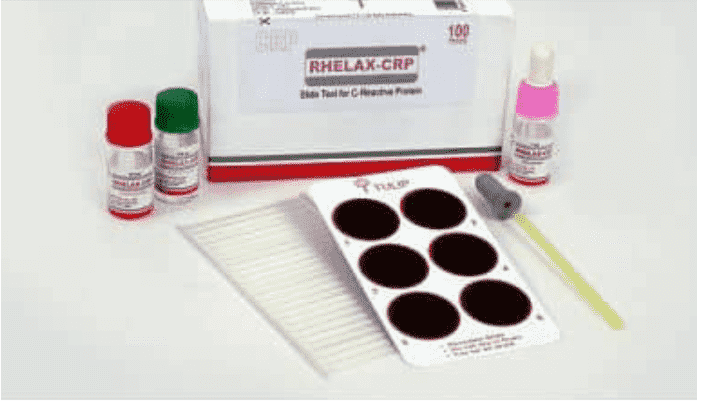
- Agglutination Techniques
- Counterimmunoelectrophoresis (CIE)
Additional Information
Serological tests help distinguish between past and active infections when both IgM and IgG antibodies are evaluated. Counterimmunoelectrophoresis can detect bacterial antigens even after partial antibiotic treatment. Test interpretation must consider the patient’s history, exposure, and vaccination status.
References
- Jacobs, Demott, Finley, Horvat, Kasten JR, Tilzer, Laboratory Test Handbook, Lexi-Comp Inc., 1994.