Acid-Fast Stain: Purpose, Procedure, and Interpretation

Synonyms
AFB Smear, Ziehl-Neelsen Stain, Kinyoun Stain, TB Smear, Auramine-Rhodamine Stain, Fluorochrome Stain, Mycobacterium Smear.
Test Overview
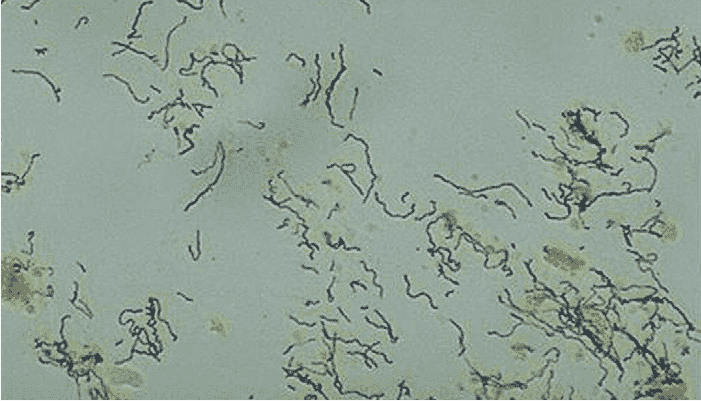
The Acid-Fast Stain is a diagnostic microscopy test used primarily for detecting Mycobacterium tuberculosis and other acid-fast organisms. The test is commonly requested along with culture for conclusive diagnosis.
Principle of Acid-Fast Staining
Acid-fast bacilli (AFB) resist decolorization by acid alcohol due to their waxy mycolic acid-rich envelope. Stains such as carbolfuchsin are used, requiring heat or detergent to penetrate the capsule.
Patient Preparation
Preparation is similar to that for a mycobacteria culture. The specimen must be collected appropriately and handled carefully to avoid contamination or degradation.
Specimen & Collection Criteria
- Specimen: Sputum, CSF, urine, gastric lavage, or biopsy depending on the suspected site
- Rejection Criteria: Dry swab or inadequate volume
Reference Range
Normal: No acid-fast organisms observed
Positive Results:
- 1+ (3–9 bacilli/smear)
- 2+ (≥10 bacilli/smear)
- 3+ (1 or more bacilli per field)
Clinical Uses
- Diagnose Mycobacterial infections
- Evaluate granulomatous disease and fever of unknown origin
- Monitor response to antimycobacterial therapy
Limitations
Negative smears do not rule out tuberculosis. Acid-fast dyes can also stain non-tuberculous organisms. Definitive identification requires culture and genotypic methods.
Methodology
Staining is performed on either a concentrated or unconcentrated sample. Ziehl-Neelsen or Auramine-Rhodamine methods are typically used.
Stat Testing
While stat smears can be requested, they offer limited diagnostic value without concentration steps. However, they may help in severe extrapulmonary TB cases such as TB meningitis or miliary TB.
Interpretation in Clinical Context
Acid-fast staining has a sensitivity of ~53% and specificity of ~99.8%. Culture remains the gold standard (sensitivity ~81.5%, specificity ~98.4%).
References
- Jacobs et al., “Laboratory Test Handbook”, Lexi-Comp Inc, 1994
- Koneman EW et al., “Diagnostic Microbiology”, 4th ed, JB Lippincott, 1992
- Hilton E et al., J Clin Microbiol, 1986
- French GL et al., J Infect Dis, 1987