Handling Unused Transfusion Blood: Safety Protocols and Return Guidelines
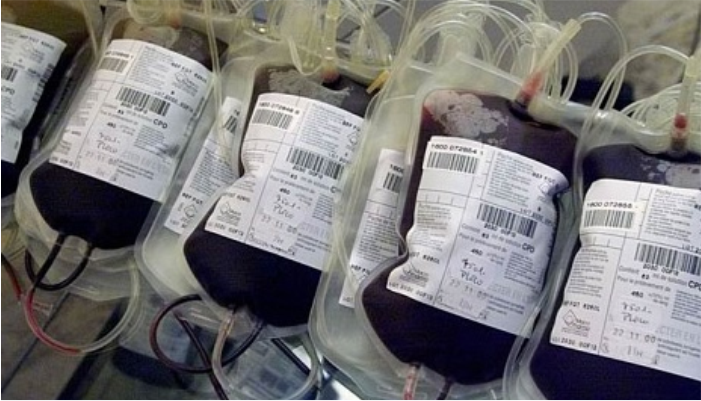
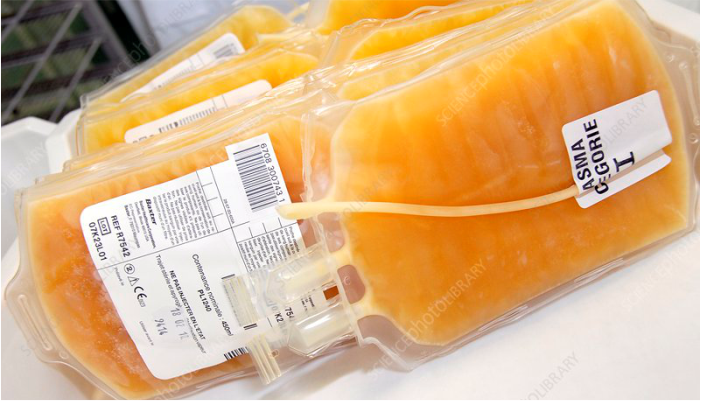
Handling Unused Transfusion Blood: When blood that has been issued for transfusion is not ultimately used, it is important to follow strict guidelines for whether it can be returned to inventory or must be discarded. Below are clinical safety standards and institutional best practices for managing such situations.
1. 🔁 Conditions for Returning Unused Blood
Blood that is issued for transfusion but not used may be returned and reissued only if all the following criteria are met:
- ✅ No punctures or holes have been made in the blood bag.
- ✅ No warming devices or external heat has been applied.
- ✅ The unit is returned to the Blood Bank within 30 minutes and remains below 10°C.
- ✅ The blood has not been stored in an unmonitored or unattended refrigerator.
2. 🕒 Holding Time Limits for Issued Blood
- Most institutions set a time limit of 24–48 hours to hold blood that is issued but unused.
- For surgical patients, blood may be held for up to 24 hours after the procedure.
- If no longer needed, staff must notify the Blood Bank to prevent unintentional expiration of unused units.
- Exceptions for holding blood longer may be granted for valid clinical reasons, provided they don’t increase immunologic risk.
3. 🧬 Special Handling of Antigen-Negative Blood
- Patients with blood group antibodies may require rare, antigen-negative blood.
- These units, once acquired, are reserved for the patient due to potential ongoing need.
- This exception is at the Blood Bank’s discretion and must follow safety guidelines.
4. 🔄 Validity of Cross-Match Samples
- Cross-match samples are valid for only 3 days in patients with:
- 🔹 Prior transfusions in the last 3 months
- 🔹 History of pregnancy in the last 3 months
- Such patients are at higher risk of developing new antibodies rapidly, requiring re-testing.
- Patients without these risk factors may be exempt, but this info is not always readily available.
📋 Institutional Policy Recommendation
Hospitals and transfusion services should build the following into their standard operating procedures:
- 📍 30-minute return rule for unused blood at appropriate temperature
- 📍 1–2 day hold rule for scheduled but unused units
- 📍 3-day validity rule for crossmatch samples in high-risk patients
Requests for exceptions must be documented and routed through the clinical doctor and Blood Bank physician.
✅ Summary
Safe handling of unused transfusion blood ensures patient safety, avoids waste, and maintains proper inventory. Following established time limits, temperature control, and antibody screening practices is essential to prevent serious transfusion complications.