Platelet Count Test: Thrombocyte Disorders, Methodology & Clinical Use
Platelet Count Test
Synonyms
Thrombocyte Count
Specimen
Whole blood
Container
Lavender top (EDTA) tube
Reason to Reject Sample
- Clotted specimen
- Platelet clumping
Reference Range
150,000–450,000/mm³
Use
The platelet count is used to assess and monitor:
- Bleeding disorders
- Purpura and petechiae
- Drug-induced thrombocytopenia
- Idiopathic thrombocytopenic purpura (ITP)
- Disseminated intravascular coagulation (DIC)
- Leukemia
- Chemotherapy-related bone marrow suppression
Limitations
- EDTA-induced clumping can lead to pseudothrombocytopenia
- Platelet satellitism (clustering around neutrophils) may falsely lower counts
- RBC fragments or fragile WBCs may lead to falsely high counts
Methodology
Platelet counts are performed using:
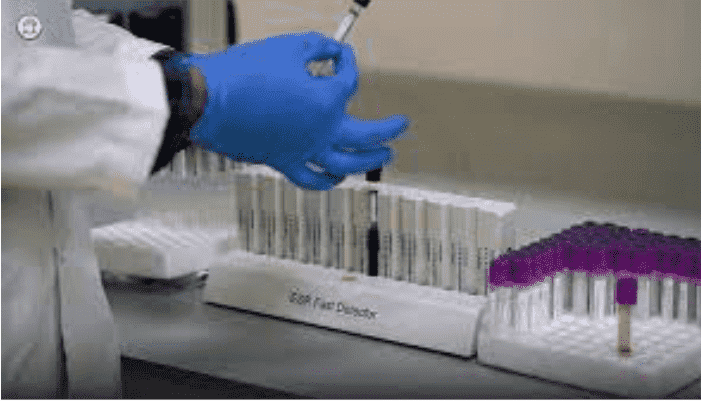
- Automated and semi-automated analyzers (optical or impedance methods)
- Manual phase-contrast microscopy (Brecher-Cronkite method, CV: 7–17%)
Additional Information
- Platelets play a key role in hemostasis and pathogenesis of vascular diseases
- Normal size: 2–3 µm; increased production yields large forms (megathrombocytes)
- Regulated by thrombopoietin; lifespan: 8–10 days
- Platelet counts follow a circadian rhythm, peaking midday
- Estimates from stained peripheral smears are imprecise due to smear distribution variability
Common Causes of Thrombocytopenia
- Immune-mediated: ITP, drug-induced
- Non-immune: hypersplenism, marrow suppression, infections, bleeding, transfusions
- Medications: quinine, heparin, sulfas, ASA, chloramphenicol, rifampin, gold salts, etc.
Thrombocytosis Etiologies
- Physiologic: postpartum, post-exercise
- Myeloproliferative syndromes: essential thrombocythemia, CML
- Reactive: post-bleeding, infection, inflammation, iron deficiency
- Others: asplenism, carcinomatosis, oral contraceptives
Congenital Thrombocytopenia Disorders
- Wiskott-Aldrich syndrome
- May-Hegglin anomaly
- Bernard-Soulier syndrome
- Thrombocytopenia with absent radius (TAR) syndrome
References
- Cornbleet PJ, Kessinger S. “Accuracy of Low Platelet Counts on the Coulter S-Plus IV.” Am J Clin Pathol. 1985;83:78-80.
- Feusner JH, et al. “Platelet Counts in Capillary Blood.” Am J Clin Pathol. 1979;72:410-4.
- Rowan RM. “Platelet Counting and the Assessment of Platelet Function.” Practical Laboratory Hematology. 1991;157–70.
- Thompson CE, et al. “Thrombotic Microangiopathies in the 1980s.” Blood. 1992;80(8):1890–5.
- Vora AJ, Lilleyman JS. “Secondary Thrombocytosis.” Arch Dis Child. 1993;68:88–90.
- Jacobs, Demott, Finley, et al. “Laboratory Test Handbook.” Lexi-Comp Inc. 1994.