Echinococcosis (Hydatid Disease) Serological Test: Diagnosis & Methodology
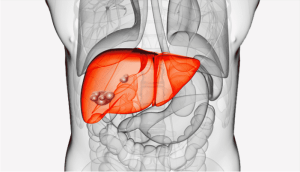
Echinococcosis Serological Test
Synonyms
Echinococcus multilocularis Serological Test, Hydatid Disease Serological Test
Abstract
Echinococcosis is a significant cestode infection, especially in regions where livestock is raised. Hydatid disease results from Echinococcus granulosus larva, while alveolar echinococcosis is caused by E. multilocularis.
Specimen
Type: Serum
Container: Red top tube
Reference Range
Indirect hemagglutination: 1:2 – 1:64
Use
Used to help establish a diagnosis of echinococcosis and monitor antibody response, especially post-surgery.
Limitations
- Cross-reactivity in 50% of cysticercosis patients.
- False positives in cirrhosis and lupus cases.
- False negatives in large or dead cysts.
- Serologic test sensitivity: 60%–90%.
Methodology
- Complement Fixation (CF)
- Bentonite Flocculation Assay (BFA)
- Indirect Hemagglutination (IHA)
- Latex Agglutination (LA)
- Enzyme-Linked Immunosorbent Assay (ELISA)
Additional Information
Peripheral eosinophilia may or may not occur. Antibody levels typically decline within one year post-surgical cyst removal—failure to decline indicates incomplete removal. Liver cysts are more immunogenic than lung cysts. ELISA provides improved sensitivity over traditional IHA and LA methods.
References
- Ash LR & Orihel TC. Atlas of Human Parasitology, 3rd ed., ASCP Press, 1990, 233-5.
- Kagan IG & Maddison SE. Manual of Clinical Lab Immunology, 4th ed., 1992, 529-43.
- Moir IL & Ho Yen DO. Scott Med J, 1989, 34(3):466-8.
- Jacobs et al. “Laboratory Test Handbook”, Lexi-Comp Inc, 1994.