
DNA Storage & Banking: Sample Requirements, Uses, and Best Practices
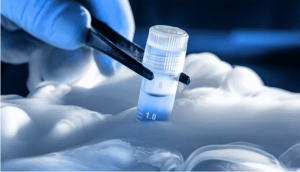
DNA Storage
Synonyms
DNA Banking
Test Commonly Includes
Isolation and preservation of DNA for future diagnostic or identification purposes.
Abstract
With the completion of the Human Genome Project, DNA banking has become vital for studying inherited diseases, cancers, and gene-environment interactions. Storing genetic material allows future access for diagnostics, research, and family disease tracking.
Specimen
Whole blood, tissue (≥0.1g), or cultured cells (fibroblasts, lymphocytes, amniotic cells).
Container
- Blood: Yellow top (ACD) tubes
- Tissue: Plastic, sealable freezer bags (store at −70°C)
- Cells: T25 culture flasks with growth media
Collection
Obtain ≥0.1 g tissue or draw peripheral blood. Keep blood at 4°C. Cultures must be sealed. Transport frozen samples on dry ice or at −70°C.
Storage Instructions
- Blood: 4°C
- Tissue: −70°C or dry ice
- DNA: Long-term at −70°C in duplicate facilities
Reason to Reject Sample
- Tissue < 0.1 g
- Frozen blood thawed before shipment
- Tissue thawed during transit
Turnaround Time
Samples may be preserved indefinitely for future use.
Use
Preserve individual DNA for identification, cancer analysis, or future diagnostic genetic testing.
Limitations
Improper shipping, thawing, or insufficient tissue volume may prevent DNA extraction.
Methodology
DNA is isolated using phenol-chloroform extraction from white blood cells, tissues, or cultured cells. It is precipitated with alcohol/salt and stored at −70°C.
Additional Information
DNA banking supports rapid molecular diagnostic advances. New tests in development will enable inherited disease diagnosis and cancer screening. Proper patient consent is mandatory. Stored DNA remains the property of the individual; release requires written authorization or guardian approval. Results are strictly confidential.
References
- Jacobs, Demott, Finley, Horvat, Kasten.JR, & Tilzer, “Laboratory Test Handbook,” Lexi-Comp Inc, 1994
- Katayama S, Early Hum Dev, 1992
- Bishop JM, Science, 1987
- Antonarakis SE, Clin Chem, 1989
- Caskey CT, Science, 1987
- Landegren V et al., Science, 1988


