RPR Test for Syphilis: Principle, Procedure, and Interpretation
Principle
The RPR test (Rapid Plasma Reagin) is a non-treponemal serologic screening tool for syphilis. It uses carbon particles coated with a lipid complex composed of cardiolipin, lecithin, and cholesterol. When the antigen is mixed with serum containing reagin antibodies, visible agglutination (clumping) occurs.
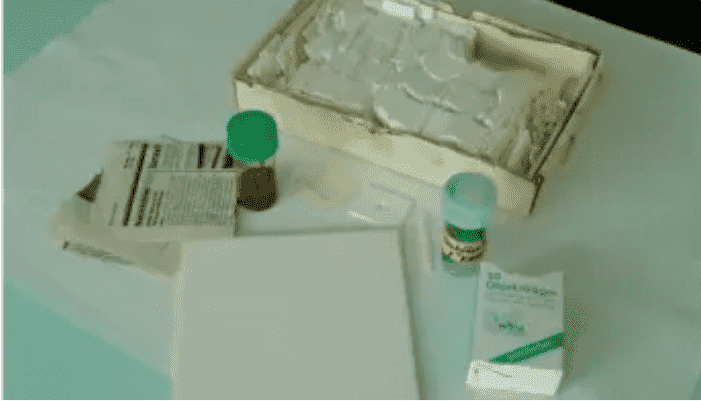
Requirements
- RPR antigen suspension
- Positive control
- Negative control
- Test card with white background
- Serological pipette
- Stirrers (use one per sample)
- Mechanical rotator (100 rpm)
Procedure
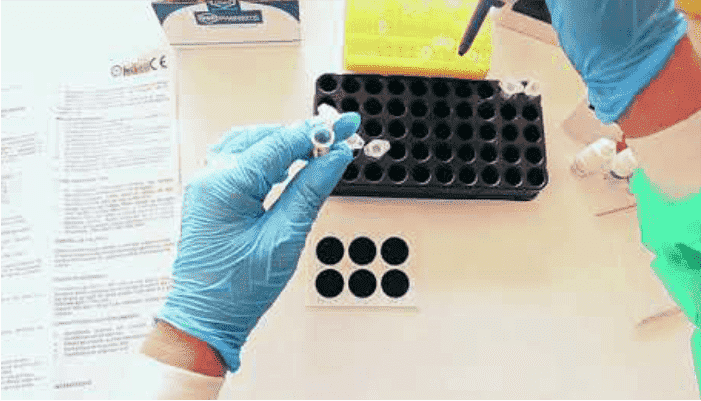
- Place one drop of patient serum, positive control, and negative control into separate circles on the test card.
- Gently shake the RPR carbon antigen reagent before use.
- Add one drop of reagent to each circle.
- Mix the contents in each circle using a separate stirrer. Spread evenly across the circle surface.
- Rotate the card on a mechanical rotator for 8 minutes at 100 rpm under a humidified cover.
- Immediately read the result under good lighting conditions.
Results
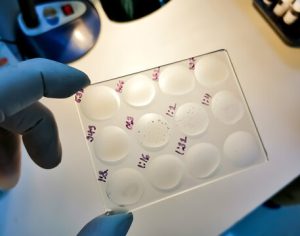
- Positive: Visible clumping (agglutination)
- Non-Reactive: No visible clumping
Precautions
- Do not use hemolyzed or lipemic samples.
- If using plasma, centrifuge to remove fibrin.
- Store RPR reagent at 2–8°C.
- Conduct the test in proper lighting conditions.
Interpretation
A reactive RPR test alone does not confirm a syphilis diagnosis. Clinical correlation and additional confirmatory treponemal tests are required. RPR is not recommended for testing cerebrospinal fluid. The test is useful for screening and monitoring disease progression or treatment response.
References
- Stevens, C. D. (2010). Clinical Immunology & Serology (3rd ed.). F.A. Davis Company.