
Polymerase Chain Reaction – PCR Test – DNA Amplification and Clinical Applications
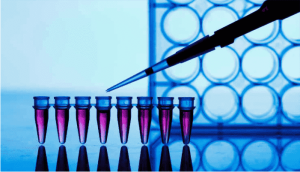
PCR Test
Synonyms
DNA Amplification, PCR
Test Commonly Includes
Amplification of target DNA sequences by up to a million-fold using PCR technology.
Abstract
PCR is a revolutionary DNA amplification method used extensively in diagnostics. Developed by the Cetus Corporation, it allows for rapid, precise amplification of small DNA fragments over multiple cycles. Originally applied in prenatal diagnosis of sickle cell anemia, it is now used in cancer, infectious disease, and genetic disorder detection.
Specimen
- Whole blood – e.g., for HIV detection
- Cerebrospinal fluid (CSF), serum, biopsies, or wound discharge – for infectious agents
- Amniotic fluid or chorionic villi – for prenatal genetic diagnosis
- Sputum or tissue biopsies – for cancer analysis
Collection
Varies by sample type and clinical indication (e.g., blood, CSF, tissue biopsy).
Use
PCR has widespread uses including:
- Detection of HIV, tuberculosis, and other pathogens
- Prenatal diagnosis of genetic disorders (e.g., sickle cell anemia, hemophilia)
- Cancer diagnostics (e.g., lymphoma, leukemia)
- Identification of mutations in oncogenes or inherited conditions
Limitations
- High sensitivity increases contamination risk
- Requires strict use of positive and negative controls
Methodology
PCR requires knowledge of the target DNA sequence. Specific primers (approx. 25 nucleotides) flank the DNA region of interest. The PCR mix includes:
- Target DNA
- Primers (forward and reverse)
- Taq polymerase (heat-stable DNA polymerase)
- dNTPs (deoxynucleotide triphosphates)
The reaction undergoes repeated thermal cycling:
- Denaturation at 95°C – separates DNA strands
- Annealing at 50–60°C – primers bind to target
- Extension at 72°C – Taq polymerase synthesizes new strands
This cycle is repeated 25–35 times. Amplified DNA is visualized using gel electrophoresis with ethidium bromide staining under UV light.
Additional Information
PCR is incredibly sensitive, capable of detecting even nanogram levels of DNA. Thermal cyclers (programmable heating blocks) automate temperature cycling. The method has evolved to include real-time PCR (qPCR) for quantification. PCR is being further developed for:
- Single-cell DNA amplification
- Pathogen load monitoring
- Rapid point-of-care diagnostics
References
- Jacobs et al., Laboratory Test Handbook, Lexi-Comp Inc., 1994
- Saiki RK et al., Science, 1985, 1988
- Embury SH et al., NEJM, 1987
- Kogan SC et al., NEJM, 1987
- Ou C et al., Science, 1988
- Shibata D et al., Arch Pathol Lab Med, 1989


