
Identification DNA Testing: Parentage, Forensics, and Genetic Fingerprinting
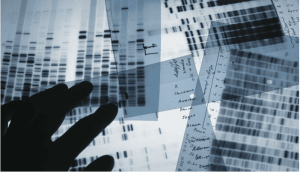
Identification DNA Testing
Synonyms
DNA Fingerprinting, Parentage Testing, RFLP Analysis for Parentage Evaluation, DNA Analysis for Genetic Identity, Paternity Testing
Test Commonly Includes
Utilization of polymorphic DNA regions to establish genetic identity or familial relationships with up to 99.99% accuracy.
Abstract
With the rise of DNA technologies and genome research, we now understand the human genome consists of ~120 million base pairs from 46 chromosomes. Each person inherits half of their DNA from each parent, but small genetic variations—especially at polymorphic regions—enable identification. DNA fingerprinting can determine identity, paternity, and familial relationships using 20–30 highly variable loci across the genome.
Patient Care / Preparation
- No blood transfusions within 90 days prior to sample collection
Specimen
- Whole blood (ACD or EDTA)
- Tissue, semen, or cultured cells
Container
- Blood: ACD or EDTA tube
- Tissue: Sealed plastic bag, frozen at -70°C
- Cell culture: T25 culture flasks
Collection
- Tissue: 0.1–1 g, frozen immediately at -70°C
- Blood: Maintain at 4°C; do not freeze
- Cell cultures must be fully grown and sealed before transport
Storage Instructions
- Tissue: Store and ship on dry ice or -70°C
- Blood: Ship refrigerated at 4°C
Reasons for Sample Rejection
- Thawed tissue or blood during transport
- Insufficient sample quantity (<0.1 g)
- Incorrect labeling or identification
Turnaround Time
2–4 weeks. DNA samples can be stored indefinitely.
Use
Establishes individual identity or biological relationships (e.g., paternity, siblingship, or criminal suspect identification) using high-resolution DNA analysis.
Limitations
- Improper transport may damage DNA
- Frozen/thawed blood yields poor DNA
- Insufficient or degraded tissue limits analysis
Methodology
DNA is extracted using phenol-chloroform from WBCs, tissue, or cultured cells. It is then digested with restriction enzymes, electrophoresed, transferred to a nylon membrane, and hybridized with radioactive probes targeting polymorphic regions. Autoradiography reveals DNA banding patterns unique to each individual, except identical twins. This method can resolve parentage, zygosity, and forensic identity with extreme precision.
Additional Information
DNA fingerprinting has wide applications in:
- Paternity and relationship testing
- Military casualty and disaster victim identification
- Resolving immigration disputes
- Criminal investigations (rape, murder, etc.)
- Medical cases of infant mix-ups or missing children
DNA remains constant across all tissues, making even forensic samples (blood, hair, semen) viable for analysis. Extreme care should be taken to prevent contamination.
References
- Jacobs et al., Laboratory Test Handbook, Lexi-Comp Inc., 1994
- Jeffreys AJ et al., Am J Hum Genet, 1991
- Wolff RK et al., Genomics, 1988
- Nakamura Y et al., Science, 1987
- Gill P et al., Electrophoresis, 1987
- McCabe ER, J Pediatr, 1992


